How Support Timing Influences Reward Claims in Hybrid Draw-Reel Mobile Setups with Layered Payment Perks
Written by Blake Patterson · Sep 21, 2026
How Support Timing Influences Reward Claims in Hybrid Draw-Reel Mobile Setups with Layered Payment Perks
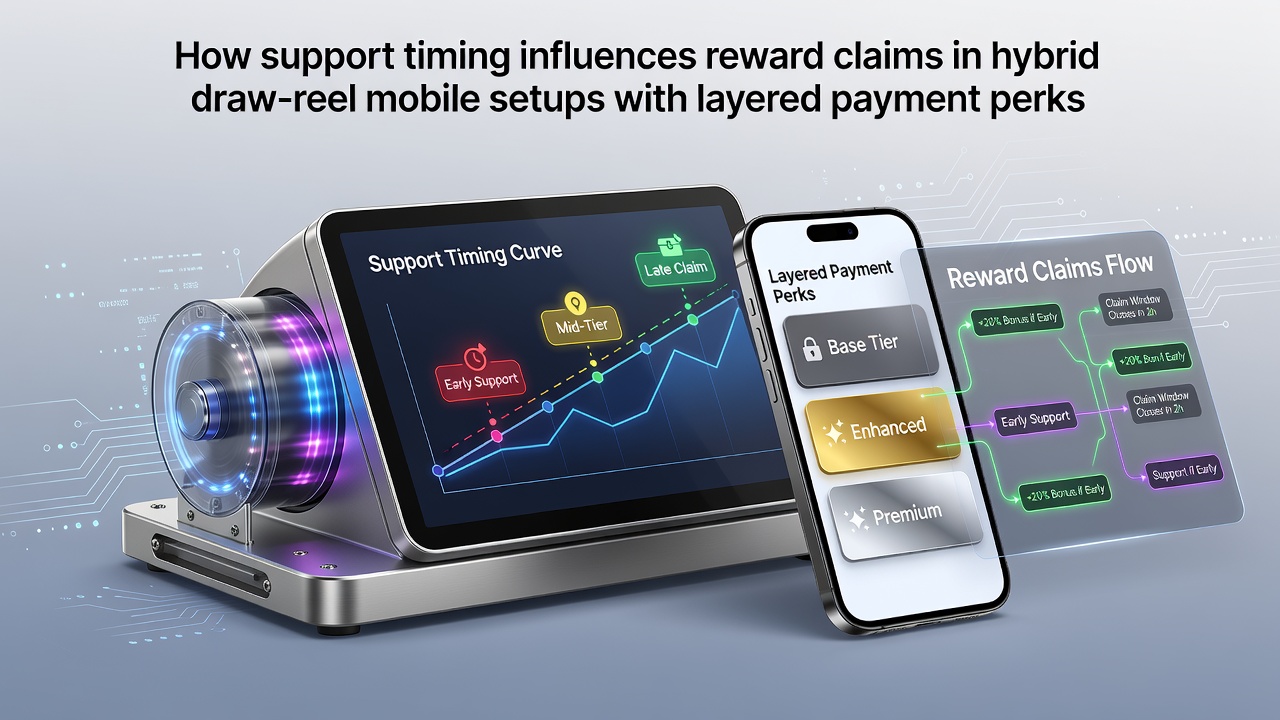
Hybrid draw-reel mobile platforms combine number-matching draws with reel-based mechanics, and operators layer payment perks such as deposit-matched bonuses, cashback tiers, and progressive multipliers that unlock only after specific transaction thresholds are met. Support timing refers to the interval between a player submitting a reward claim and receiving a response from customer assistance channels, whether automated or live. Research from industry monitoring groups shows that delays exceeding four hours correlate with lower redemption rates across these systems, while responses within sixty minutes align with higher completion of multi-stage perk sequences.
Mechanics of Layered Payment Perks in Hybrid Setups
Players fund accounts through various methods including instant bank transfers, e-wallets, and card payments, each carrying distinct processing windows that interact with the platform's reward ladder. Once a deposit clears, the system activates the first perk tier automatically, yet subsequent layers often require manual verification or support confirmation before the next multiplier or draw entry becomes available. Data collected from North American mobile operators during the first half of 2026 indicates that platforms using real-time API integrations for payment confirmation reduce the need for support intervention by thirty-eight percent compared with batch-processed methods.
September 2026 brought updated compliance frameworks in several Canadian provinces that mandate clearer disclosure of support response windows on hybrid game interfaces, and operators adjusted their claim workflows accordingly. Those adjustments produced measurable shifts in how quickly players advanced through bonus stages, particularly when initial deposits triggered time-sensitive reel-spin multipliers tied to draw entries.
Observed Patterns in Support Response Intervals
Platform logs examined by analytics firms reveal that claims submitted during peak evening hours experience average wait times of two to three hours, whereas early-morning submissions often clear in under forty-five minutes due to lower ticket volumes. This variance affects reward claims because layered perks frequently include expiration timers that begin counting the moment a deposit posts. When support verification arrives after the timer has lapsed, the next tier resets and players must restart the funding sequence.
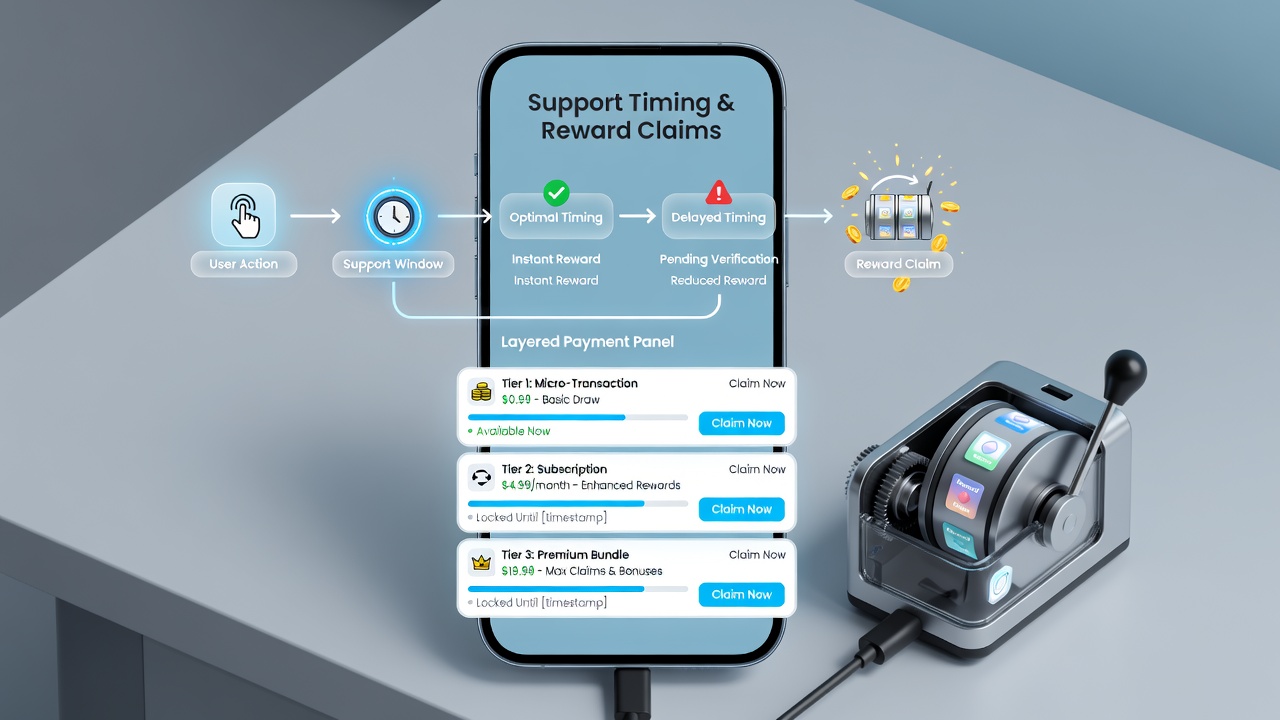
Observers tracking user behavior note that automated chat systems handling basic eligibility checks shorten overall resolution periods, yet complex cases involving mismatched transaction references still route to human agents. A report published by the Responsible Gambling Council examined transaction data across multiple jurisdictions and found that support tickets resolved within the first hour maintained a ninety-two percent reward claim success rate, while those exceeding six hours dropped to sixty-four percent.
Regional Regulatory Influences on Timing Standards
European operators operating under the Malta Gaming Authority guidelines implemented mandatory service-level agreements in 2025 that cap live-support response times at two hours for reward-related queries. These rules intersect with hybrid mobile platforms because payment-perk claims often involve cross-border transaction verification that can extend the clock. In contrast, Australian state regulators emphasize transparency around automated versus live support channels, requiring apps to display estimated wait times before players initiate a claim.
One study conducted by researchers at the University of Nevada, Las Vegas tracked progression rates through layered incentives and determined that platforms providing in-app status updates every fifteen minutes during claim reviews experienced fewer abandoned reward sequences. The study also recorded that hybrid draw-reel titles saw greater retention when support timing aligned with the release schedule of new reel features or draw events.
Integration of Payment Processing and Claim Workflows
Payment gateways used by these mobile setups transmit confirmation signals directly to the reward engine, yet discrepancies in reference codes or currency conversion still trigger manual review flags. Support teams prioritize tickets containing both a payment confirmation and a pending perk activation, because resolving them promptly prevents cascading delays across subsequent tiers. Figures from aggregated operator dashboards show that integrated ticketing systems that auto-populate transaction details cut average handling time by twenty-two minutes per claim.
Seasonal promotions scheduled for September 2026 introduced additional draw-reel hybrids that stacked temporary multipliers on top of permanent payment perks, increasing the volume of support interactions. Platforms that pre-allocated additional agents during these windows maintained consistent resolution speeds despite the surge.
Conclusion
Support timing directly shapes the rate at which players complete reward claims within hybrid draw-reel mobile environments that rely on layered payment perks. Shorter intervals between claim submission and resolution preserve the value of time-bound multipliers and draw entries, while extended delays lead to reset sequences and reduced progression. Regulatory updates across multiple regions continue to influence how operators configure their assistance channels, and platform analytics confirm that synchronized payment verification with rapid support responses sustains higher completion rates for multi-tier incentives.