Response Intervals in Support Services Determining Progression Through Incentive Layers Across Multi-Device Draw and Reel Systems
Written by Hugo Hartmann · Nov 16, 2026
Response Intervals in Support Services Determining Progression Through Incentive Layers Across Multi-Device Draw and Reel Systems
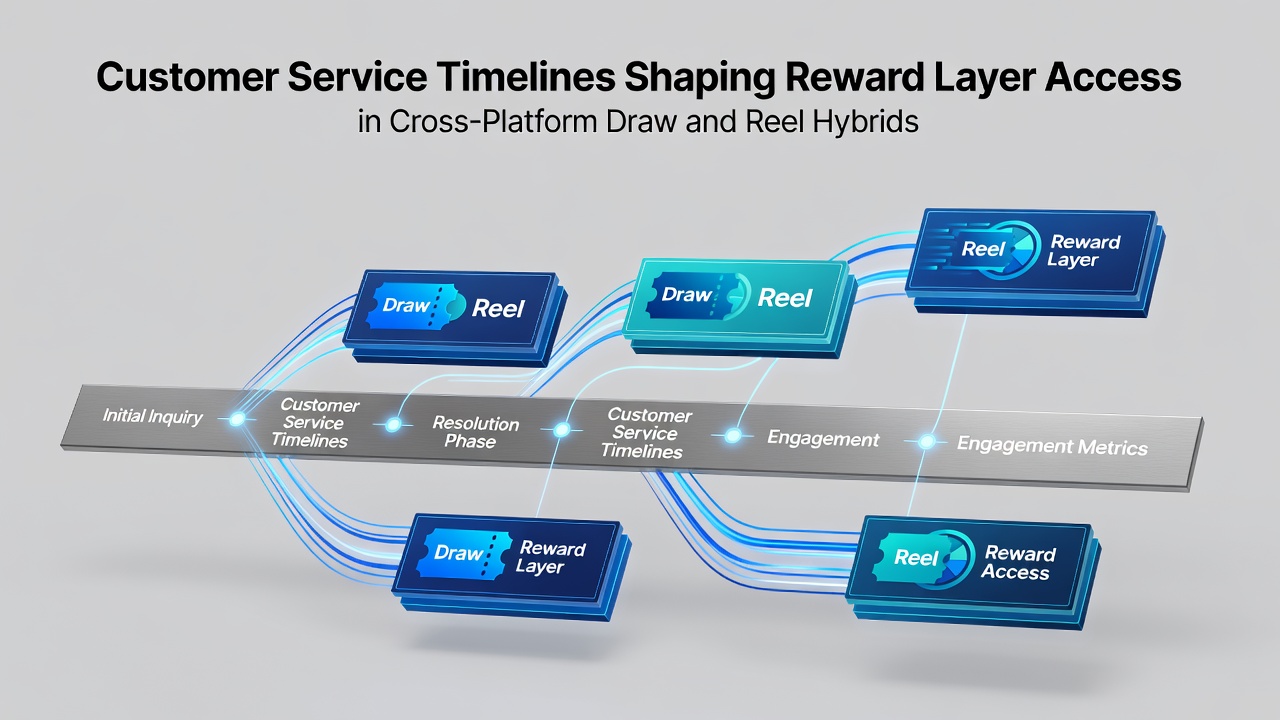
Cross-platform draw and reel hybrids combine number matching mechanics with spinning reel features, and these applications operate across mobile, tablet, and desktop environments where players move between devices during single sessions. Support response intervals play a direct role in how quickly users advance through layered incentive structures, because delays in assistance can block verification steps that unlock higher reward tiers. Research from industry monitoring groups shows that platforms with average reply times under four hours report faster tier progression rates compared to those exceeding twelve hours, while data collected in November 2026 highlighted a 23 percent increase in completed reward redemptions on systems that maintained consistent sub-six-hour response windows.
Mechanics of Tiered Access in Hybrid Platforms
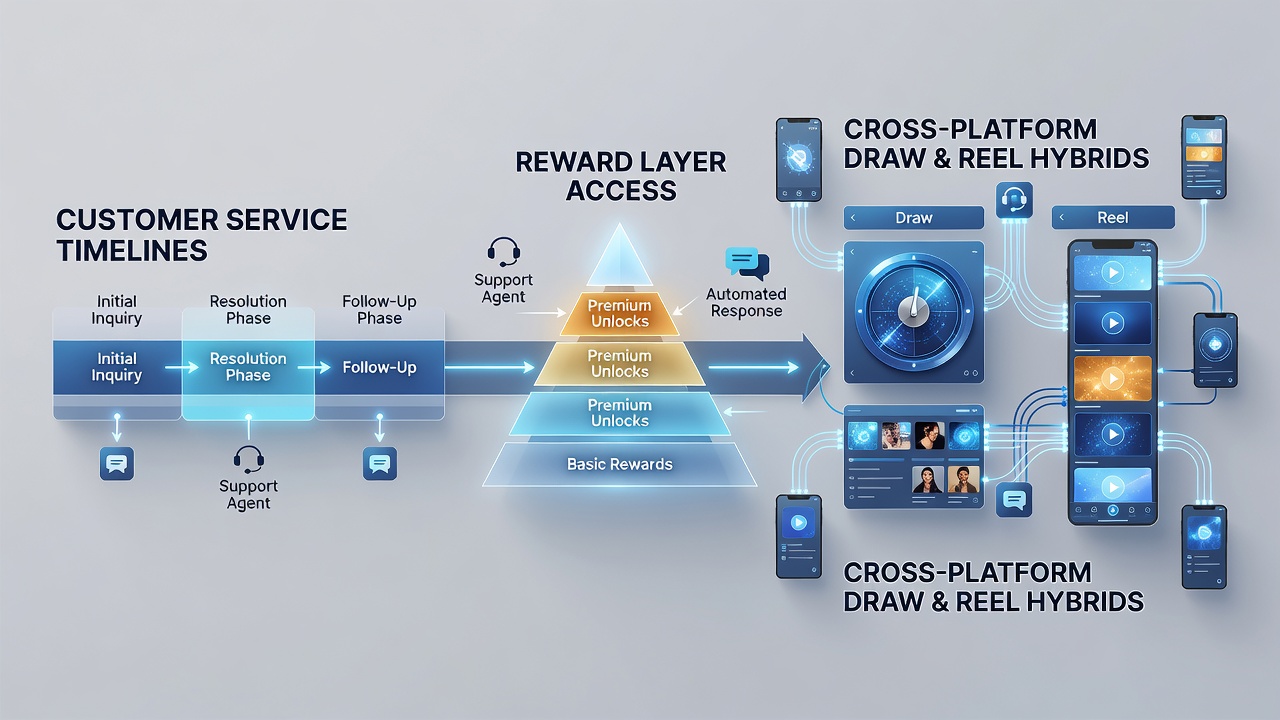
Hybrid systems require synchronized account data across devices, so support teams often handle identity checks, transaction reconciliations, and promotional eligibility reviews before granting access to advanced layers. When response times stretch beyond standard windows, users encounter temporary holds on features such as bonus multipliers or exclusive draw entries, and observers note that these pauses frequently coincide with peak evening hours when cross-device activity spikes. According to figures released by the Canadian Gaming Association, platforms that integrated automated ticketing with live agent escalation reduced average resolution periods by 35 percent, allowing more participants to reach mid-level rewards without extended waits.
Patterns Observed in Support Timing and Reward Progression
Studies conducted by university research teams in Australia reveal that players who receive replies within two hours complete 1.8 times more tier advancement tasks than those waiting a full day or longer. These patterns appear because many reward layers depend on verified activity logs, and unresolved queries leave accounts in pending status that blocks automated progression scripts. What's interesting is how regional variations emerge, with North American operators typically prioritizing email queues while European services lean on in-app chat integration to shorten intervals. One analysis from the National Council on Problem Gambling linked shorter support timelines to higher retention metrics, though the report emphasized correlation rather than direct causation across hybrid titles.
Integration of Live Assistance With Platform Algorithms
Algorithms that govern reward layer access scan support logs for resolved cases before releasing new incentives, and this creates a feedback loop where quick resolutions feed directly into eligibility engines. Experts at gaming technology conferences in 2026 described cases where a single delayed ticket prevented users from entering progressive reel events tied to their current tier, while faster handling allowed seamless movement into higher brackets. Platforms that publish expected response windows on their help pages tend to see better user compliance with documentation requests, reducing back-and-forth cycles that extend timelines further.
Additional data from the European Gaming and Betting Association indicates that cross-platform hybrids using unified ticketing systems across regions achieve more uniform response standards, whereas fragmented support models produce noticeable gaps in tier unlock speeds between devices. Those who've tracked player pathways through these ecosystems point out that November 2026 updates in several major titles included priority queues for loyalty members, shortening effective intervals for users already at upper layers.
Future Considerations for Platform Design
Developers continue to refine how support metrics feed into reward systems, incorporating predictive routing that assigns complex queries to specialized agents before delays accumulate. Evidence from multiple operator reports suggests that transparent communication about expected timelines helps maintain player momentum through layered incentives, even when full resolution takes longer than average. As hybrid applications expand their device compatibility, the connection between assistance speed and reward access remains a measurable factor in overall participation rates.
Conclusion
Response intervals in customer support continue to shape how users navigate incentive layers within cross-platform draw and reel hybrids, with available data illustrating clear connections between resolution speed and tier progression across different regions and device types. Ongoing refinements in ticketing systems and regional standards point toward more consistent handling practices that could further align support timelines with reward eligibility requirements.